The 16th ISSP World Congress: Acute Resistance Exercise and Inhibitory Control

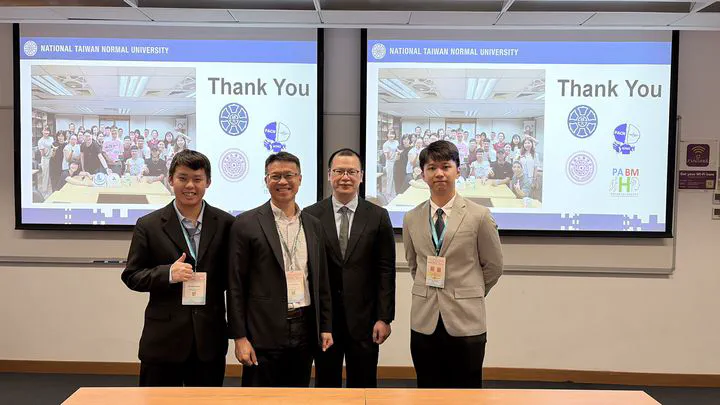 Image credit: ISSP World Congress
Hong Kong Sports Institute
25 Yuen Wo Road, Shatin, New Territories
Certificate of Attendance: Mr. Ying-Chu Chen participated in The 16th ISSP World Congress, sponsored by the Shine Tak Foundation and hosted by the Hong Kong Sports Institute between 8 and 12 December 2025.
Presentation Highlights: In his oral presentation, “The Influence of Acute Resistance Exercise Volume on Inhibitory Control: A Randomized Controlled Trial,” Ying-Chu Chen discussed the relationship between resistance training variables and executive function. The study utilized a randomized controlled design to compare the effects of different exercise intensities with matched total volumes.
Key Findings:
- Volume Matters: The study concluded that exercise volume might be a key determinant for acute cognitive benefits.
- Intensity Agnostic: Both low and moderate-intensity resistance exercise protocols resulted in significant improvements in inhibitory control (measured by the Stroop Task) when the total volume was held constant.
- Physiological Response: Lactate levels increased similarly across exercise groups, suggesting a comparable metabolic response supporting the cognitive gains.
- Clinical Implication: Low-intensity resistance exercise can be an effective strategy for enhancing cognitive health, especially for populations unable to perform high-intensity training, provided the volume is sufficient.
This research contributes to the growing body of evidence in exercise cognition interaction, offering practical guidelines for exercise prescription aimed at brain health.