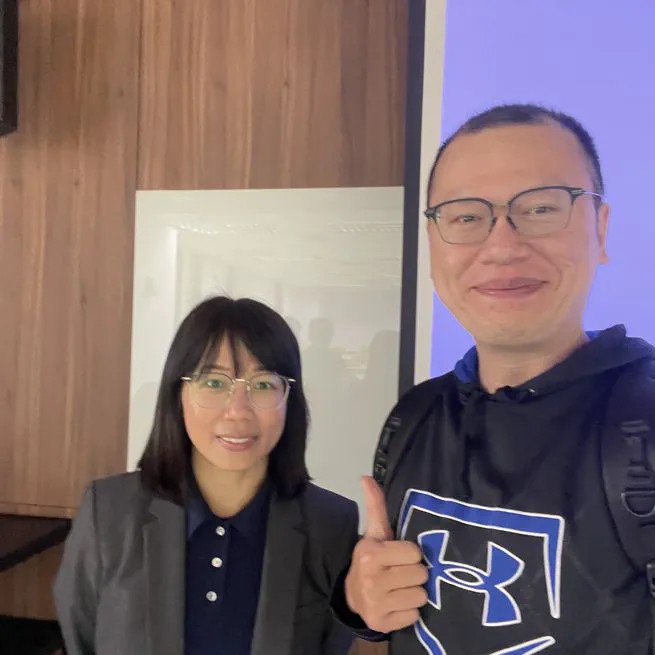
Bridging Cardiovascular Physiology and Cognitive Science: Insights from Dr. Chueh-Lung ‘Laura’ Hwang
演講中提出了三個核心要點:首先是『血管—認知連結』,說明動脈硬化對大腦健康的深遠影響;其次是『酒精的雙相影響』,解析攝取酒精後血壓與內皮功能(NO 生物利用度)的急性變化對運動處方的意義;最後是『肌肉氧合(StO2)』的即時趨勢分析,這與我研究中的大腦氧合指標形成了有趣的平行對比。此外,我們也探討了大腦與生理的關鍵問題:規律有氧運動是否能作為酒精血管損傷的緩衝?以及高強度間奏訓練(HIIT)是否能透過血液動力學的穩定來預防酒精濫用?這些觀點對提升運動科學的臨床應用價值具有重大意義。
The session highlighted three pivotal takeaways: 1) The Vascular-Cognitive Link, detailing how arterial stiffness serves as a precursor to cognitive decline; 2) Alcohol’s Biphasic Impact, illustrating how acute changes in blood pressure and endothelial function (NO bioavailability) necessitate tailored exercise prescriptions; and 3) Muscle Oxygenation (StO2) trends, which provide a fascinating parallel to cerebral oxygenation markers. We also explored critical 'Big Questions': Can regular aerobic exercise serve as a primary buffer against vascular insults from alcohol? And could HIIT be a physiological gateway to preventing alcohol misuse through hemodynamic stabilization? These insights resonate deeply with my current focus on acute exercise interventions and BFR, highlighting the strategic synergy between physical therapy and exercise science.
Mar 20, 2026